

patterned frosted glass
Understanding the Price of 2.5-Inch Butterfly Valves Butterfly valves play a critical role in various industries, including water treatment, chemical processing, and HVAC systems. Among the different types of butterfly valves, the 2.5-inch variant has gained significant popularity due to its versatility and efficient flow control capabilities. This article explores the factors influencing the price of 2.5-inch butterfly valves, helping consumers make informed purchasing decisions. What is a Butterfly Valve? Before delving into pricing, it's essential to understand what a butterfly valve is. A butterfly valve is a quarter-turn valve that uses a disc to regulate fluid flow. The disc is mounted on a rotating shaft, allowing it to open or close by turning a handle or actuator. These valves are available in various sizes and materials, tailored for specific applications and industries. Factors Influencing Price When considering the price of a 2.5-inch butterfly valve, several key factors come into play 1. Material Composition The material used in manufacturing the valve significantly impacts its cost. Common materials include stainless steel, cast iron, PVC, and brass. Stainless steel valves, known for their durability and resistance to corrosion, are typically priced higher than their PVC counterparts, which are suitable for less demanding applications. 2. Construction Quality The construction quality and design of the valve also affect the price. High-quality valves are engineered to withstand high pressure and temperature, making them suitable for critical applications. Such valves may incorporate advanced features like enhanced sealing mechanisms and improved flow characteristics, leading to a higher price point. 2.5 inch butterfly valve price 3. Brand Reputation The manufacturer’s brand reputation can influence pricing. Well-known and established brands often charge a premium for their products due to their reliability, warranty offerings, and customer support. In contrast, lesser-known brands may offer competitive pricing but could compromise on quality or dependability. 4. Features and Options Butterfly valves come with various options and features, such as manual or automated operation, depending on the application requirements. Automated valves, which can be remotely controlled, typically cost more than manual ones. Add-on features like position indicators, special coatings for corrosion resistance, and fire-safe designs can also elevate the price. 5. Market Dynamics The supply and demand dynamics greatly influence pricing. Economic factors, such as commodity costs, manufacturing expenses, and shipping requirements, can cause fluctuations. During periods of high demand, prices may rise, whereas market saturation or decreased demand can lead to lower prices. Typical Price Range In terms of pricing, a typical 2.5-inch butterfly valve may range from $30 to $200 or more. Basic PVC models may start at the lower end of this spectrum, while high-end stainless steel valves equipped with advanced features and certifications can reach or exceed $200. It's advisable for buyers to compare options across different suppliers to find the best balance of quality and cost. Conclusion When purchasing a 2.5-inch butterfly valve, understanding the various factors that influence its price is crucial. Buyers should consider the material, construction quality, brand reputation, features, and current market dynamics. By doing so, they can ensure they make a cost-effective decision that meets their specific application needs. It’s also worthwhile to take into account the long-term benefits of investing in a high-quality valve that may have a higher upfront cost but provide better performance and durability over time. With careful consideration, you can find the right butterfly valve that fits both your budget and operational requirements.
about
patterned frosted glass
The Price Dynamics of Optical Micrometers An In-Depth Analysis In the realm of precision measurement, optical micrometers hold a significant position due to their ability to provide highly accurate measurements of small dimensions. These instruments are critical in various industries, including manufacturing, quality control, and scientific research. The price of optical micrometers can vary widely based on several factors, including technology, brand reputation, functionality, and features. This article seeks to explore the various elements influencing the price of optical micrometers and how they are positioned in the market. Understanding Optical Micrometers Optical micrometers function by utilizing light—usually from a laser or LED source—to measure small distances with incredible accuracy. Unlike traditional mechanical micrometers, which may be limited by physical contact and friction, optical micrometers can measure without contact, minimizing the risk of damage to delicate components. This attribute makes them particularly favorable in applications involving fragile materials or sensitive surfaces. Factors Influencing the Price of Optical Micrometers 1. Technology The core technology behind the optical micrometer plays a significant role in determining its price. Advanced optical technologies, such as interferometry, can produce higher accuracy and resolutions, which typically results in a higher price point. Basic models with less sophisticated technology may be more affordable, but they often sacrifice precision. 2. Brand Reputation Renowned brands in the field of optics and measurement devices tend to command higher prices due to their established reputation for quality and reliability. Companies with decades of experience and proven track records can justify their premium pricing, as users often expect better customer support and longer-lasting products. 3. Features and Functionality The range of features available on optical micrometers also contributes to price variations. Basic models may only measure dimensions, while advanced micrometers could include data logging capabilities, integration with computers, user-friendly interfaces, and wireless connectivity. The more sophisticated the features, the higher the potential price. optical micrometer price 4. Calibration and Certification Optical micrometers often require calibration to ensure accurate measurements. Some manufacturers include calibration and certification services as part of the purchase, which can add to the overall price. Instruments that meet stringent industry standards may also be priced higher due to the credibility they carry. 5. Market Demand and Economic Conditions Like any other product, the price of optical micrometers can fluctuate based on market demand and economic conditions. In periods of increased manufacturing activity, there might be higher demand for measurement devices, pushing prices up. Conversely, an economic downturn could lead to decreased demand and lower prices. Current Market Trends As of now, the market for optical micrometers is witnessing a gradual shift towards more advanced and automated solutions. Many businesses are investing in high-tech micrometers that integrate seamlessly with manufacturing processes and digital platforms. Consequently, while traditional mechanical micrometers remain in use, optical micrometers are increasingly favored for their versatility and precision. The average price range for standard optical micrometers varies from around $500 for basic models to over $10,000 for advanced systems equipped with the latest technology and accessories. High-end optical micrometers aimed at professional and industrial use can exceed this range, especially if customized or tailored to specific applications. Conclusion The price of optical micrometers is influenced by numerous factors ranging from technology and brand reputation to features and market trends. As industries continue to prioritize precision and efficiency, the demand for high-quality optical micrometers is expected to grow, potentially pushing prices higher. For businesses and individuals seeking to purchase an optical micrometer, it is essential to consider the required specifications and functionalities to ensure that the investment aligns well with their measurement needs while offering the best value for money. Investing in the right optical micrometer can lead to enhanced productivity, improved product quality, and significant long-term savings. Understanding the price landscape will enable buyers to make informed decisions in this crucial area of precision measurement.
-

High quality industrial productsagement

High quality industrial products
View Details -

Meet the diverse needs of customers

Meet the diverse needs of customers
View Details -

Strict quality control

Strict quality control
View Details -

Top raw materials

Top raw materials
View Details -

Trusted supplier

Trusted supplier
View Details
Our application


news and information

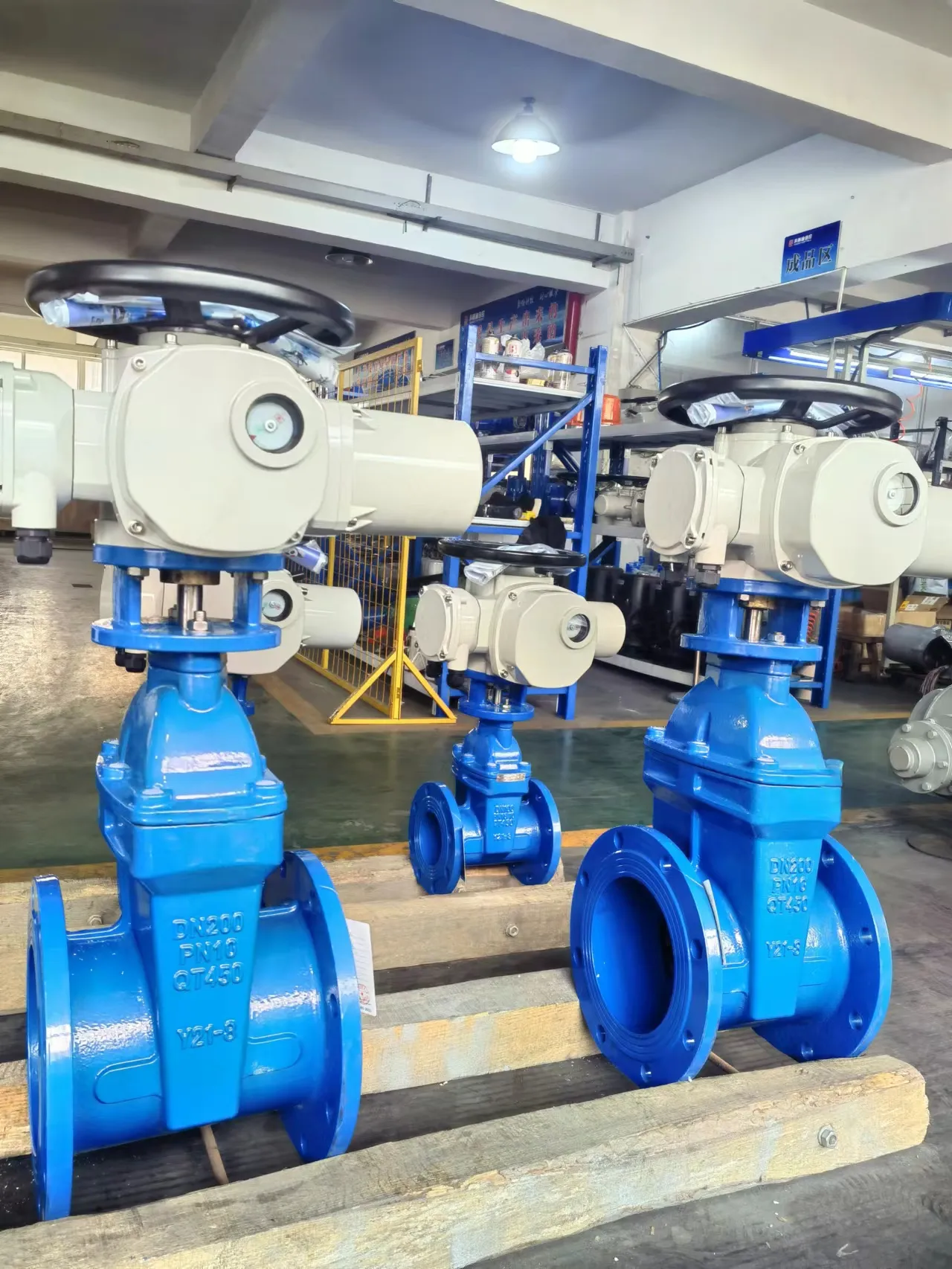
Válvula de puerta de 450mm
Válvula de compuerta de 450 mm Una Solución Eficiente para el Control de Fluido Las válvulas de comp
water shut-off valve
Understanding Water Shut-Off Valves Importance, Types, and Installation Water shut-off valves are es
Wear Resistance Strategies for Trapezoidal Threads
Trapezoidal threads are a cornerstone of mechanical systems requiring precise linear motion and load
 English